
Debunking common myths Are you falling for gambling misconceptions
The Illusion of Control
One of the most common misconceptions in gambling is the belief that players can control the outcome of games. Many individuals think that by employing specific strategies or betting patterns, they can influence the results in their favor. This illusion of control often leads gamblers to overestimate their skill and underestimate the element of chance that is inherently present in most gambling scenarios. For instance, in games of chance like slots or roulette, the outcomes are determined by random number generators, making it impossible for players to exert any control. That’s why exploring options, like an au online casino, can provide entertainment without the false hope of mastery.
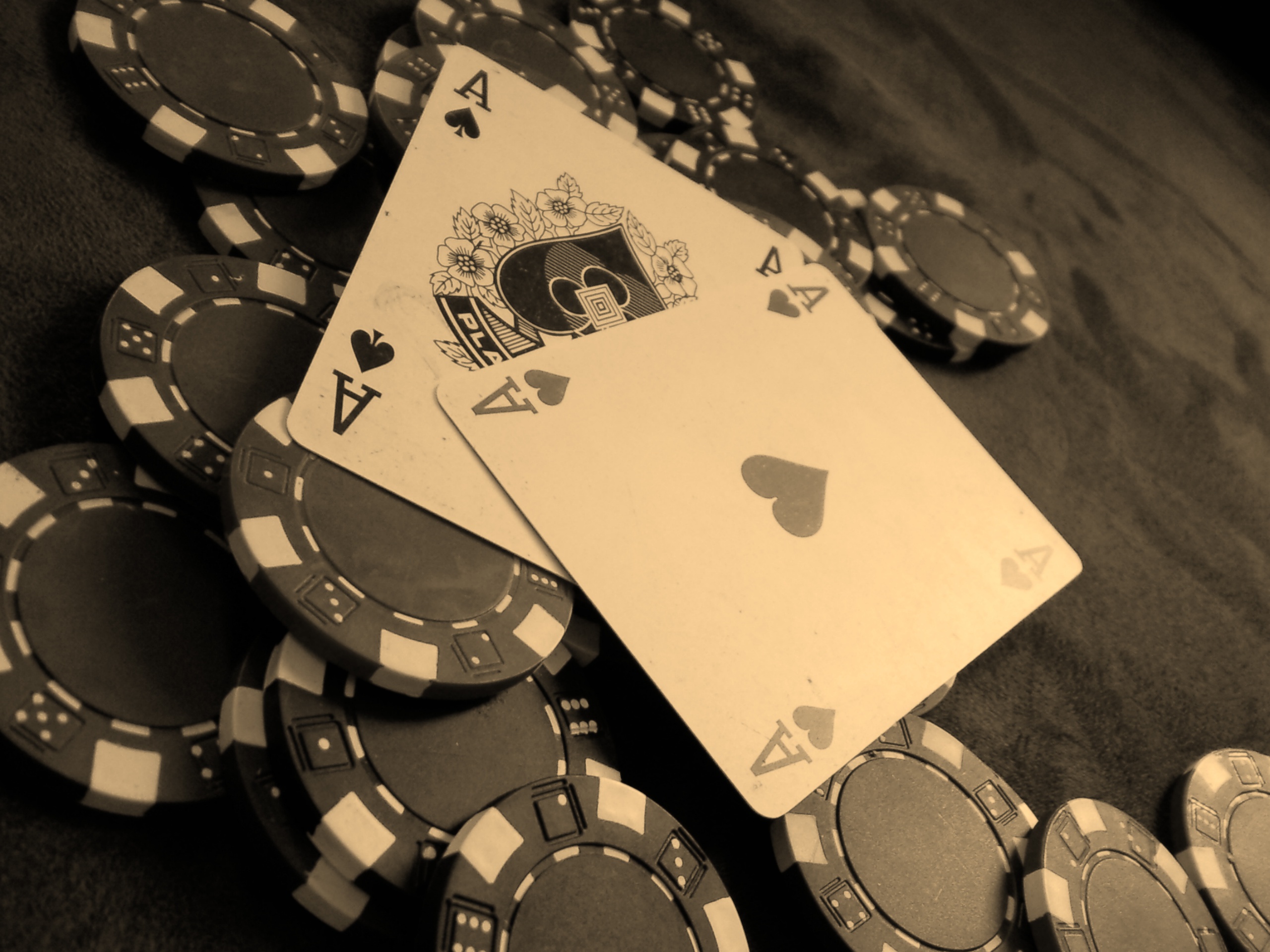
Moreover, this belief can lead to risky behavior. Gamblers might chase losses, convinced that their next bet will be the one to turn their fortunes around. This psychological phenomenon is known as the ‘gambler’s fallacy,’ where players mistakenly think that past outcomes will affect future results. Understanding that outcomes are completely random can help individuals make more informed and rational decisions when gambling.
Additionally, the illusion of control can be reinforced by cognitive biases. Gamblers often remember their wins more vividly than their losses, creating a skewed perception of their abilities. This can lead to a dangerous cycle of gambling, as the player feels justified in their actions based on selective memory. Recognizing these cognitive traps is crucial for maintaining a balanced and responsible approach to gambling.
The Misunderstanding of Odds
Many gamblers mistakenly believe that odds are in their favor when playing certain games, particularly when they observe others winning. This misunderstanding can result in the idea that some games are easier to win than others, leading to poor betting decisions. In reality, the odds in gambling are designed to favor the house. For instance, poker offers better odds than slot machines, but even in poker, the house has an edge through the rake taken from each pot.
Furthermore, the misconception about odds is often exacerbated by misleading advertising. Casinos and online gambling platforms frequently showcase their winners, creating an image of frequent and significant wins. However, the vast majority of players do not come out ahead. It is essential for gamblers to educate themselves on the actual odds of the games they are playing to understand their true chances of winning.
Understanding the odds also involves recognizing the difference between various gambling formats. Some games may appear more favorable due to promotional bonuses or jackpots, but a deeper look reveals the inherent house edge. Educating oneself about these odds can help players make informed decisions and avoid falling into the trap of believing they are more likely to win than they actually are.
The Myth of ‘Hot’ and ‘Cold’ Streaks
Many gamblers adhere to the belief that machines or tables can experience ‘hot’ or ‘cold’ streaks, implying that certain games are due for a win after a series of losses. This misconception leads to the idea that players can time their bets based on previous outcomes, creating a false narrative of winning streaks. In reality, each spin of a slot machine or roll of the dice is independent of previous results, rendering such strategies ineffective.
This belief can be particularly harmful, as gamblers may continue to play a game based on the notion that a win is imminent, leading to increased losses. The random nature of gambling means that past results do not influence future outcomes, making it crucial for players to recognize that every game is a standalone event. Understanding this principle can help gamblers set more realistic expectations and make better betting choices.
In many cases, this myth stems from the human tendency to find patterns in randomness. The brain naturally seeks to create connections, leading gamblers to believe in trends that simply do not exist. It is important for players to acknowledge this cognitive bias and to approach gambling with a mindset focused on probability rather than patterns that have no basis in reality.
The Fallacy of Skill-Based Games
Another common myth is that skill-based games always guarantee success for experienced players. While skill does play a role in games such as poker or blackjack, where strategy can influence outcomes, it is a misconception that skill alone can ensure consistent wins. In fact, even the most skilled players can experience significant losses due to the inherent luck involved in gambling.
This misconception can lead to overconfidence, causing players to wager larger sums based on their perceived expertise. It’s essential to remember that skill can improve one’s odds but does not eliminate the house edge. Even the best players encounter bad beats and unfavorable circumstances. Acknowledging that luck is a factor in skill-based games is crucial for maintaining a realistic perspective.
Moreover, the notion that skill guarantees victory can create an unhealthy competitive environment among players. This often leads to an escalation in bets and heightened emotions, which can cloud judgment. Understanding the balance between skill and luck can help players manage their expectations and approach gambling in a more healthy and sustainable manner.

Understanding Responsible Gambling
It’s vital to approach gambling with a clear understanding of responsible gaming principles. Many players fall victim to misconceptions about how to gamble safely, often believing that they can control their behavior once they start playing. However, it is essential to establish limits beforehand, such as setting budgets and time constraints. This preemptive strategy is crucial for ensuring that gambling remains a fun and enjoyable activity rather than a source of stress or financial hardship.
Responsible gambling also involves recognizing the signs of problem gambling. Misconceptions can lead individuals to dismiss warning signs, believing that they are simply experiencing a temporary setback. Understanding the psychological aspects of gambling can empower players to seek help if they notice behaviors such as chasing losses or feeling a compulsive urge to gamble. Awareness and education can significantly reduce the risks associated with gambling.
For those seeking a safe gambling experience, utilizing reliable resources and platforms is paramount. Websites that provide thorough reviews and analyses of online casinos can help guide players toward trustworthy options. These platforms emphasize responsible gaming practices and can offer tools for self-assessment and management, ensuring a safer gambling experience tailored to individual preferences.

